-
How Translation Is Intersemiotic and Intercultural

If translation is intersemiotic and intercultural, how can it be translated? In this article, we will take a look at a few terms related to translation, such as Translatum, Intercultural communication, and Intersemiotic translation. We will also examine the nature of translation and why God gave it a stable appearance, name, and form. Let’s start with Translatum. As you can see, the word translation means “translation” in the original Latin language.
TranslatumTransmit your content to over 120 languages using the eTranslate platform, an online IT globalisation system. Translatum allows customers to register for free, submit content for an instant quote, select a translator or reviewer, and track their translation project through a web-based workflow. Users can receive notifications via email or SMS, as well as view their invoices online. The service supports over 200 file formats and supports over 120 languages. It is a cloud-based translation service that works with eTranslate’s consulting services.
Intersemiotic translationThere are several types of translation, including literary, intersemiotic, and infrasemiotic. Literary translation is involves transforming source text into a new language, mainly a spoken one. Infrasemiotic translation refers to the transformation of a given expression within a specific semiotic system. Both forms are used to convey information from one language to another, and are usually employed to translate graphic content.
Intercultural communicationIn intercultural communication, translation is the process of connecting cultural characteristics in a source text with those in a target audience. House (2009) proposes a solution to this problem. Intercultural communication is translation when the translator is sensitive to the cultural context and characteristics of the source text and the intended audience. This approach can be helpful in the creation of effective, meaningful translations. This paper provides an overview of how this process can be used in cross-cultural communication.
It is a dialectic processThe term “dialectic” is used to describe the process by which a concept is developed from one form to another. Ultimately, a dialectic process results in a universal and necessary teleologico-causal predicate. This is why dialectic is sometimes called “subjective,” meaning that the process has been shaped by the subject’s own evolution. It is this development that enables the subject to become a conscious agent of his own growth and change.
It is an activity that aims at conveying meanings of a given linguistic discoursetranslation agency use various methodologies to ensure that the original text is accurately represented in translations. A major advance in translational studies was the development of dynamic equivalence, which took into account the social context of the original texts and paved the way for cultural approaches to the process. In this context, Nida is hailed as the “patriarch” and “founder” of the discipline.
It is a process of culture specific clichesThere are two main methods for translating cultural terms: communicating translation and neutralization. Communicating translation substitutes a specific SL word for an existing concept in the target culture, resulting in a similar impact on the target audience. A literal translation may sound comical, while a cultural substitution will have the same effect on the audience. The degree to which communicating translation is used in a given translation depends on the type of license granted to the translator by the commissioners and the purpose of the translation.
-
Ecommerce Websites Development
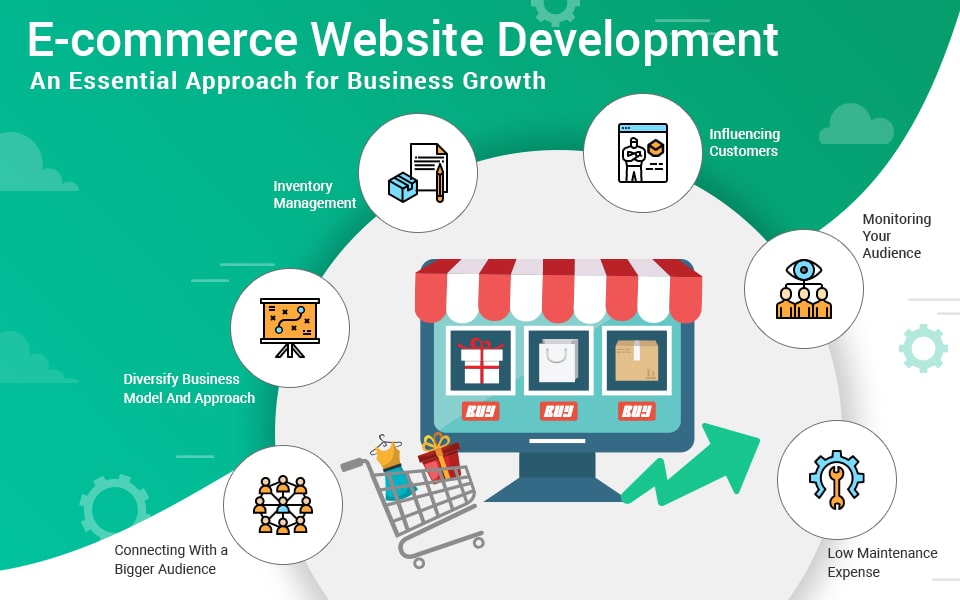
Are you looking for a reliable and efficient ecommerce websites development company in India? If yes, then this article will provide you with some helpful advice. If you are not sure what to look for in an ecommerce website development company, you can check the reviews of previous clients. GoodFirms’ research team analyzed the participation companies on various important factors, including market penetration in the eCommerce industry, past work experience and proficiency in designing user-friendly shopping websites.
One of the biggest concerns of any business looking to outsource is language barrier. Fortunately, eCommerce developers in India speak fluent English and are fluent in the language. The country is home to 125 million people, making it the second-most-English-speaking nation in the world, and it ranks third in the Asian continent. When outsourcing to India, you will be collaborating with an IT sector where nearly everyone speaks English!
The process of ecommerce website development begins with choosing the right framework or platform. Once this foundation is in place, plugins and modules are added to customize the website. Landing pages provide a quick overview of products and categories, while payment processing pages detail payment policies, security and privacy. GoodFirms also recommends ecommerce website development companies in India based on their expertise and proven track record of success. There’s nothing better than a well-crafted website to boost your business.
The eCommerce industry has seen unprecedented growth over the last few years. Today, there are literally dozens of ecommerce websites competing for a slice of the online consumer pie. As more businesses switch to the online platform, consumers are increasingly purchasing products from the comfort of their homes. Online sales continue to grow steadily every year. This trend is expected to continue for the foreseeable future. It’s time to make sure you’re not one of the companies left behind.
In order to create a successful ecommerce website, a new business owner should know his target market. He should know their interests, earning power, and age. He should also know who his competitors are. With this information, he can tailor his ecommerce website to the individual needs of his target market. By doing this, he will be able to cater to his customers’ needs and create an enjoyable user experience.
A good eCommerce website development company should also offer other services to help businesses succeed online. These services might include custom software development, marketing cloud services, and enterprise solutions. In addition to eCommerce website development, they also provide consulting services on various trending technologies, including web design and development, Microsoft solutions, and Internet of Things (IoT).
It is important to note that India has the lowest development costs of any destination for software outsourcing. This means that eCommerce website development companies in India will beat your expectations and provide best-in-class software. And because India’s IT industry is home to the largest number of software developers in the world, India is a safe bet for your eCommerce project. The time zone and intelligent vision of eCommerce web development companies in India makes India a highly sought-after location for outsourcing.
If you’re looking for an eCommerce website development company in India, look no further than Indglobal. This company has a team of highly skilled and experienced professionals that specialize in custom eCommerce website development. They also offer SEO, mobile app development, and website design. Their diverse and responsive services will ensure a superior online shopping experience and maximize profits for you. The team at Fluper Digital has a wide range of expertise, and the rates they charge are reasonable.
The cost of eCommerce website development depends on features, hosting, and the number of developers involved. You can expect to pay between Rs20,000 and Rs1 lakh for a website that includes a responsive design. In addition, the cost will vary depending on the number of users who will be using your website. If you don’t want to spend more than Rs80,000, you can also go for a free template or premium theme. For example, a free template might cost between Rs1000 and Rs8000, and a paid theme may cost you between Rs1000 and Rs8000. In addition to a responsive design, eCommerce websites development India companies should avoid including too many text pages. Product descriptions will influence users’ buying decisions, and will also help your website rank better in search engines.
-
Hello World!
Welcome to WordPress! This is your first post. Edit or delete it to take the first step in your blogging journey.
-
Subscribe
Subscribed
Already have a WordPress.com account? Log in now.
 Dumps Solutions